Probate

What you should know

What is probate?

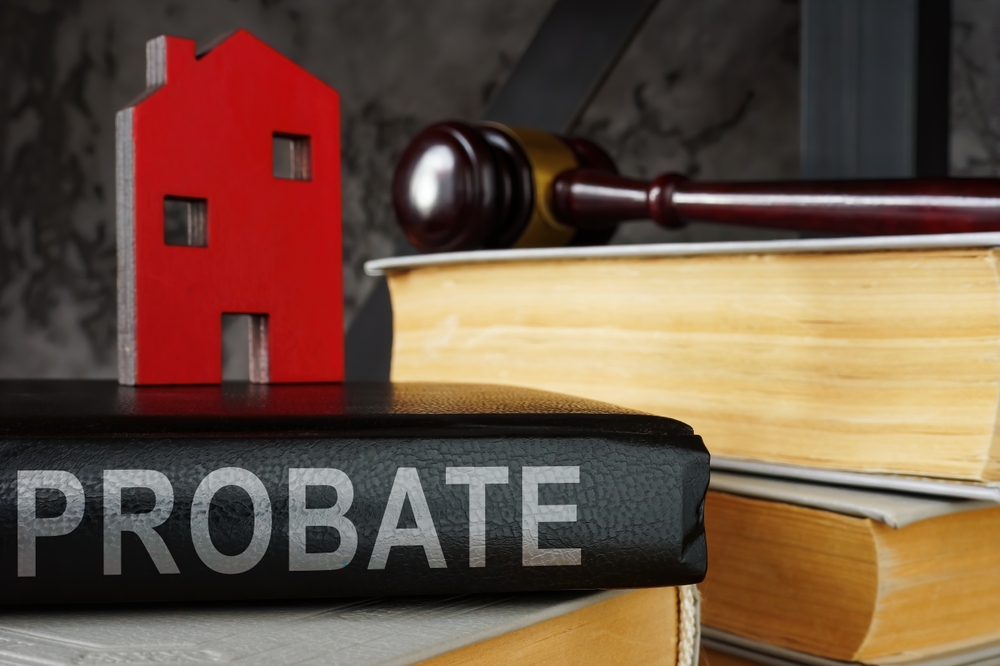
Probate is the legal and financial process of administering a deceased person’s assets. This includes ensuring that all their assets, which is referred to as their ‘estate’, are accounted for and any debts are settled. Once this has been done, the estate can then be distributed.

Senior Couple Smiling With Financial Advisor

Helping to relieve the stress

While dealing with a loved one’s death can be difficult enough, having to then deal with the administration involved with their passing can make it even more stressful. That’s why AFH is here to help, whether you’re a spouse, family member, executor or the relative responsible for the administration of the estate.

Our team of highly qualified professionals are on hand to deal with the administration of a loved one’s estate, so you don’t need to worry. Using clear, jargon free language and a friendly, understanding approach, we’ll take away the anguish that can be caused when dealing with the complex process of probate.

We can also deal with any tax issues the estate may have, providing you with peace of mind that everything will be dealt with efficiently and properly by experienced professionals. This means you can take the time to grieve and recover from your loss, safe in the knowledge that everything is in safe hands. 

Discover more today

Find out how we can help you to prepare for your future.

  • Mature Couple With Adviser

    Do I need probate?

    Often probate isn’t needed. For example, if all of the deceased’s assets are jointly owned with someone else or property and money are passing to a spouse or civil partner, probate will not normally be needed. It will probably be needed if the deceased; owned a property in their sole name, or had other high value assets.

  • Probate Legal Book

    Common pitfalls of DIY Probate

    Probate can be complicated and has to be completed at an already difficult time. This means oversights can happen, and even minor ones can carry severe consequences for the executors and beneficiaries. This could include, for example, invertedly miscalculating or failing to report an Inheritance Tax liability, which could result in HM Revenue & Customs taking action. Please remember that an executor or administrator can be held personally liable for any financial loss resulting from an error, even when genuine, or breach of their duty.

Placeholder

What do I do if someone dies?

If someone close to you dies, there are actions that you will need to take. These include:

•    registering the death
•    valuing the estate
•    checking whether a grant of probate in needed
•    arranging for a deceased estates notice to be placed
•    collecting all assets and settle any debts
•    distributing the estate
•    dealing with any disputes.